
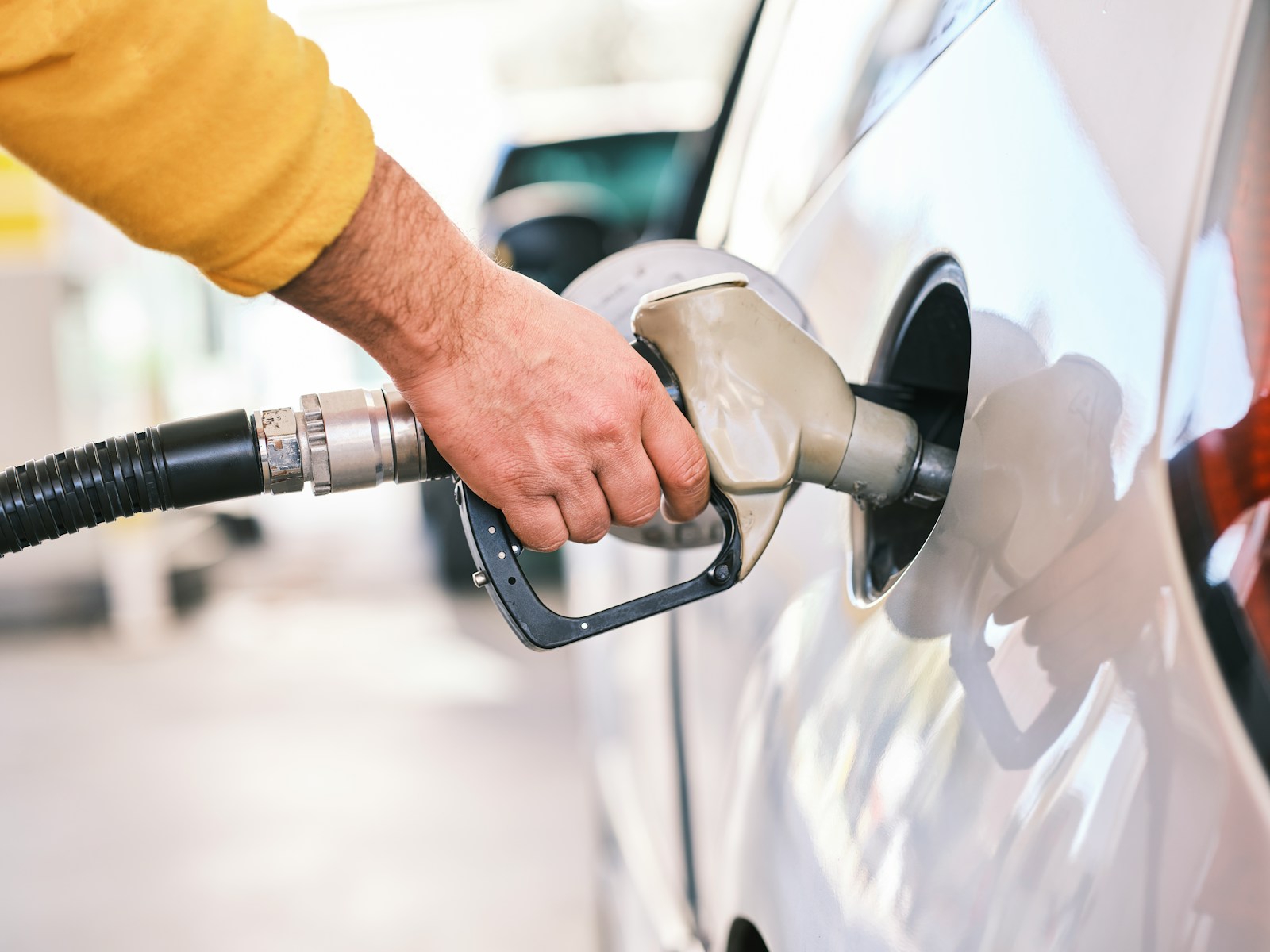
As fuel costs continue to rise, many drivers are looking for practical ways to reduce expenses and improve fuel economy. While owning a fuel-efficient vehicle can help, your driving habits play an equally important role. Simple changes in the way you drive and maintain your car can significantly lower fuel consumption, save money, and improve your vehicle’s overall performance. Here are some smart driving habits that can help you get the most out of every tank of fuel.
1. Drive Smoothly and Avoid Harsh Acceleration
Aggressive driving habits such as rapid acceleration, speeding, and sudden braking can increase fuel consumption considerably. Driving smoothly and maintaining a steady pace helps your engine operate more efficiently while also making your journey safer and more comfortable.
2. Maintain a Consistent Speed
Constantly speeding up and slowing down forces your engine to work harder, resulting in higher fuel usage. Whenever possible, maintain a steady speed, especially during highway driving. Consistent driving can improve fuel efficiency and reduce unnecessary fuel waste.
3. Limit Excessive Idling
Leaving your engine running while parked consumes fuel without moving the vehicle. If you expect to be stopped for more than a minute, consider switching off the engine. Most modern vehicles are designed to restart efficiently without significantly affecting fuel consumption.
4. Remove Unnecessary Weight
Extra weight places additional strain on your engine and reduces fuel efficiency. Clear out heavy items from your trunk and remove roof racks when they are not needed. A lighter vehicle requires less energy to move, helping you save fuel.
5. Keep Your Tires Properly Inflated
Incorrect tire pressure can negatively affect fuel economy. Under-inflated tires create more rolling resistance, causing the engine to use more fuel. Regularly check your tire pressure and keep it at the recommended level for optimal performance.
6. Use Gears Efficiently
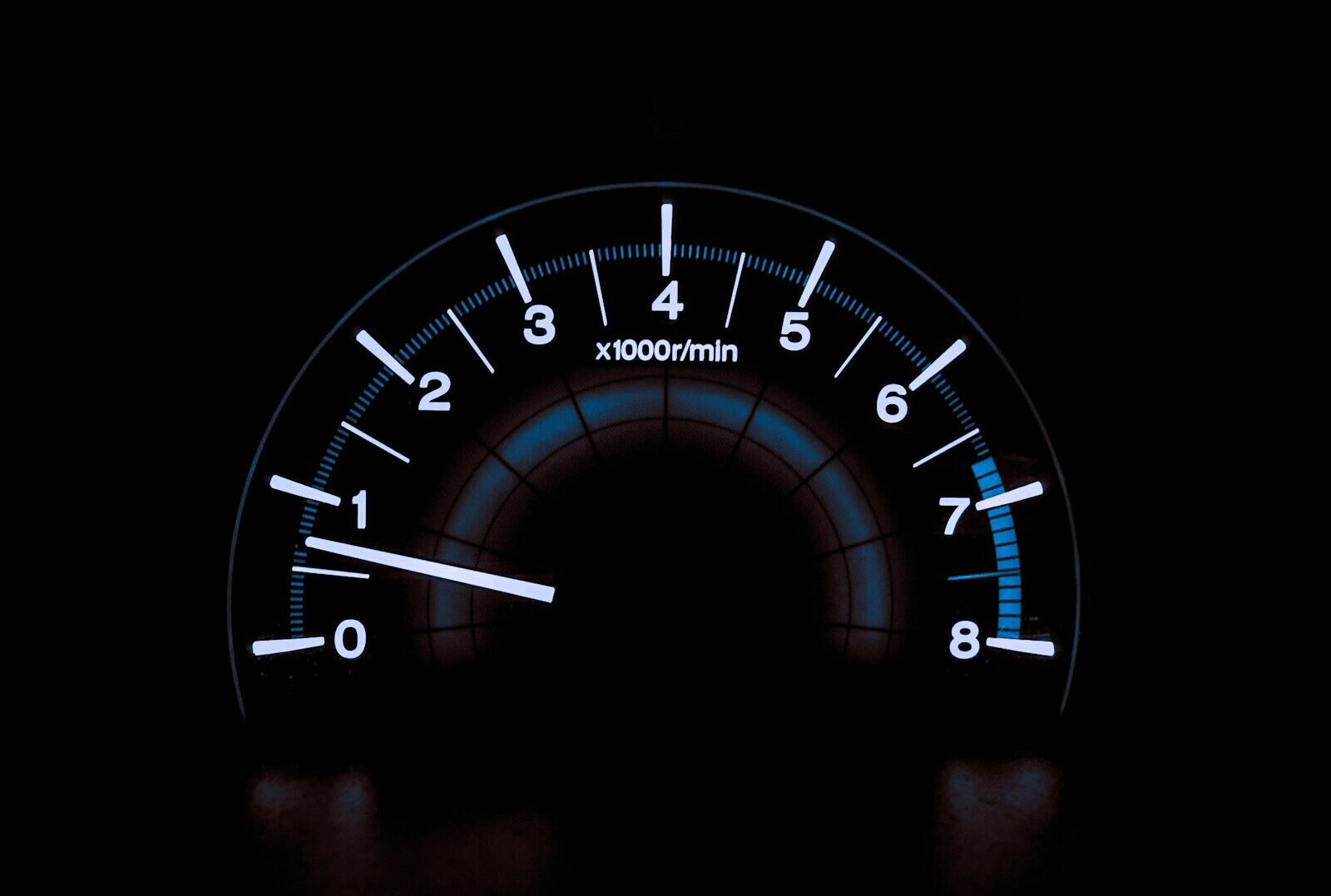
Driving in the correct gear helps your engine run more efficiently. Avoid keeping the engine at high RPMs for long periods and shift gears smoothly when needed. Proper gear usage can improve both performance and fuel economy.
7. Use Air Conditioning Wisely
Air conditioning can increase fuel consumption by putting extra load on the engine. Use it only when necessary and avoid setting it lower than needed. On shorter trips or at lower speeds, natural ventilation may be a more fuel-efficient option.
8. Plan Your Routes in Advance
Multiple short trips can consume more fuel than a single well-planned journey. Try combining errands into one trip and use navigation tools to find shorter routes and avoid heavy traffic. Efficient route planning helps reduce fuel usage and travel time.
Conclusion
Saving fuel is not just about reducing expenses it’s also about improving your vehicle’s efficiency and minimizing environmental impact. By adopting simple habits such as smooth driving, maintaining proper tire pressure, avoiding unnecessary idling, and planning your trips wisely, you can significantly improve fuel economy. Small adjustments to your daily driving routine can lead to long-term savings and a better driving experience.